
By Alisha Jain, Marketing and Communications, Enviu
Before a shirt becomes "waste," it passes through many hands: the person who wore it, the housekeeper who replaced it, the tailor who stitched it, and eventually, the waste picker who finds it at the very end of its life.
Closing the Loop rewrites that story. Closing the Loop (CTL) is a program by Enviu and the Circular Apparel Innovation Factory (CAIF) that tackles this waste using a unique circular model. Instead of focusing on one solution, like recycling or resale, CTL has built something far more powerful: a unified, end-to-end circular system that connects every actor in the value chain and ensures nothing goes to waste.
CTL doesn't just recycle. It diverts discarded textiles from landfills, creates inclusive green livelihoods, and develops market-ready circular businesses. Designed as a replicable model, it can be adapted across urban India, the textile industry, and beyond, solving waste at its root while opening new market pathways.
Old linens from hotels, uniforms, and clothes from households are collected directly at the source through organized drives and collection partners, including waste pickers, so they don't mix with regular trash.
Solution spotlight: Circular Apparel Innovation Factory has partner Hasiru Dala & Green Worms and five other waste management partners to establish a Textile Recovery Facility (TRF). The Bengaluru TRF is run by waste entrepreneur Indumathi, ensuring materials enter the system efficiently and inclusively.
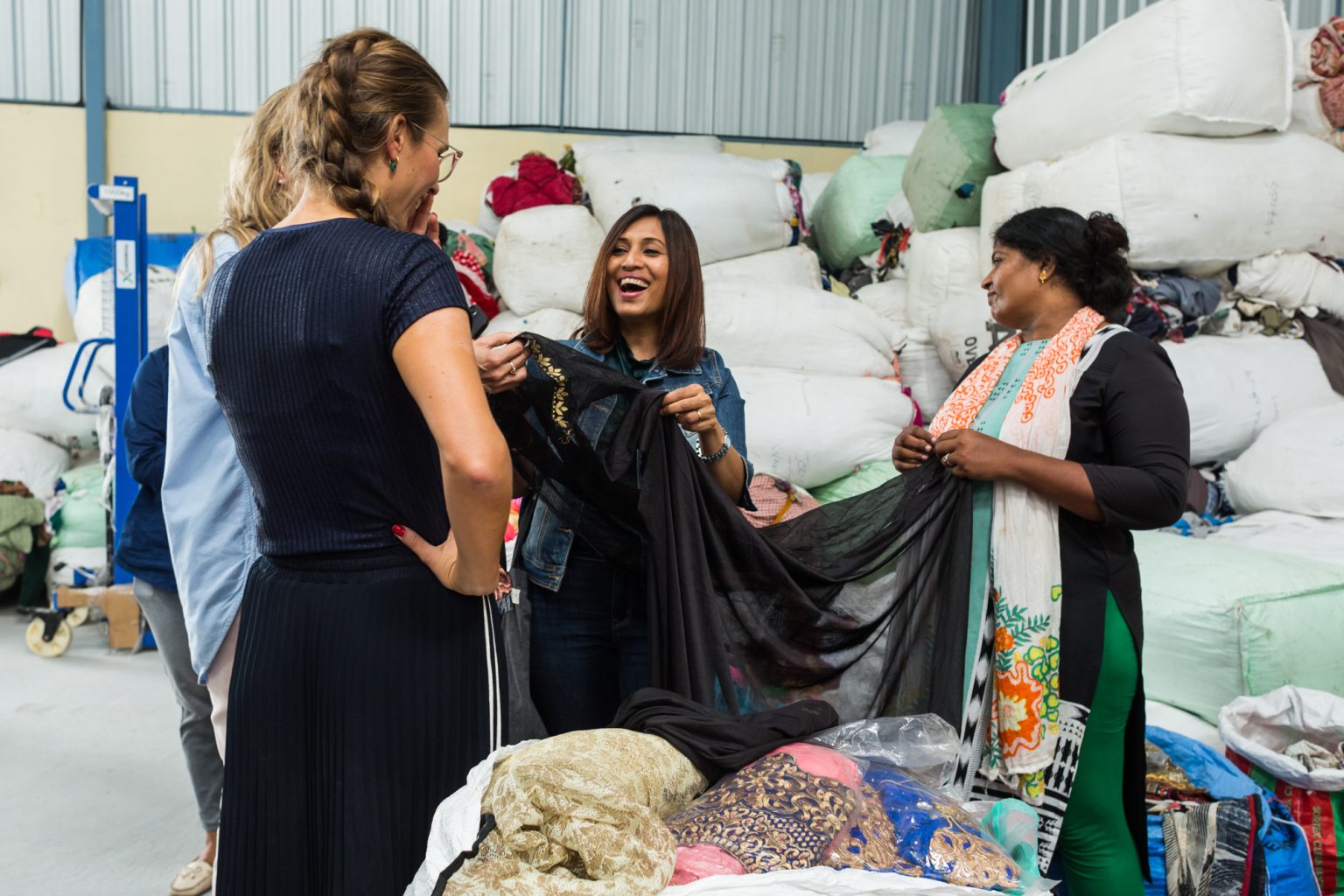
At sorting centers and Textile Recovery Facility, workers are trained to identify and separate textiles based on condition, type, and potential use.
Innovation spotlight: At Second Spin, an Enviu venture, technology like FibreSENSE by Kosha.ai scans fabrics to determine their composition (cotton, polyester, or a blend) making sorting and recycling more accurate and effective.
Each type of textile is directed to the circular pathway where it holds the most value:
Every fabric finds its place. Nothing ends up as "just waste."
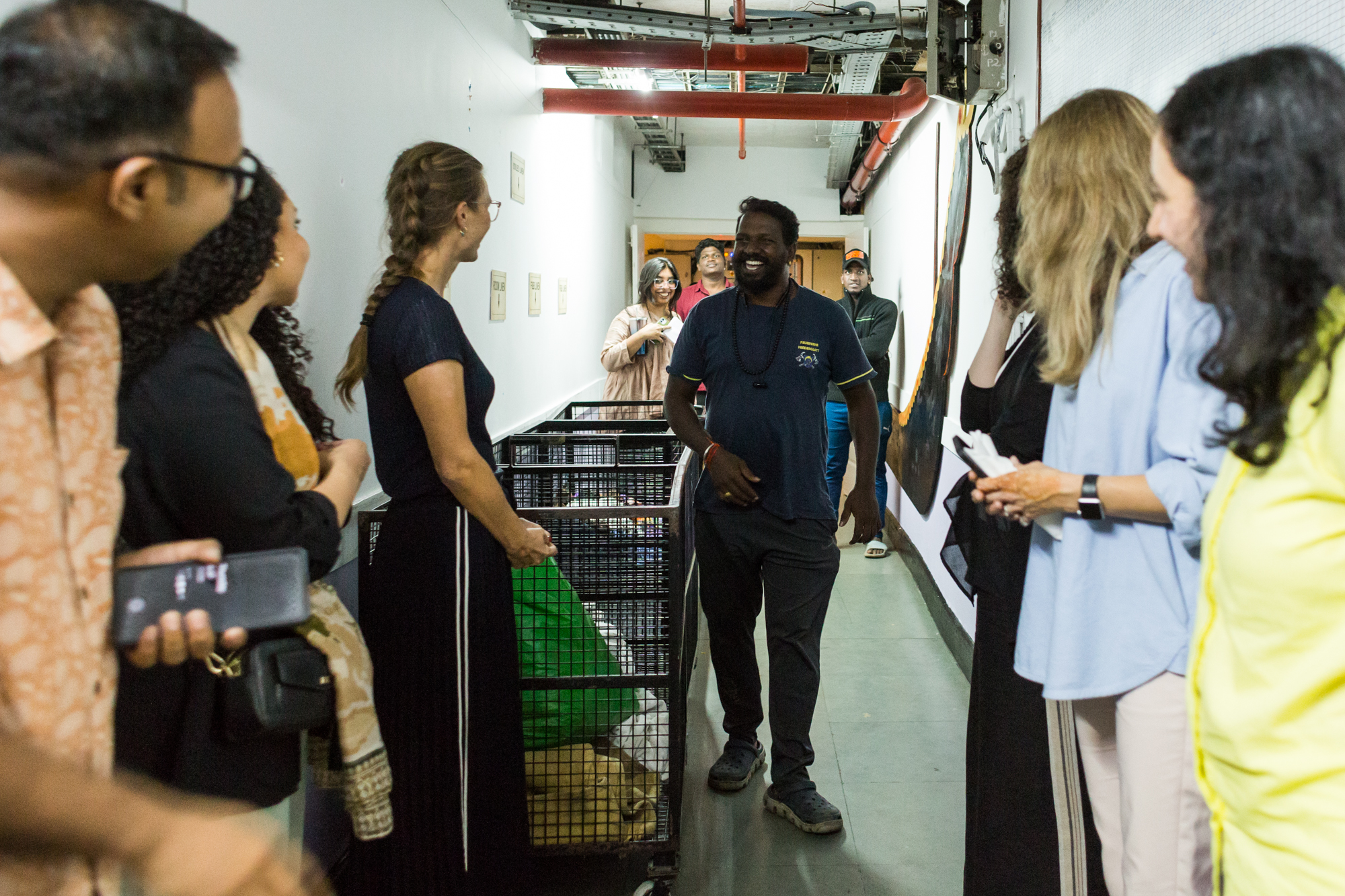
What sets Closing the Loop apart is how all these steps are tied together into one seamless system. From collection to resale, every actor (from waste picker to entrepreneur) plays a role in keeping textiles in motion and generating value along the way. The program is supported by IKEA Foundation, H&M Foundation and Alwaleed Philanthropies.
Additionally, this program serves as a blueprint for circular transformation. Its replicable design means other cities, industries, and organizations can adopt the system, creating sustainable, inclusive economies wherever textile waste is a challenge.
By Alisha Jain, Marketing and Communications, Enviu
Before a shirt becomes "waste," it passes through many hands: the person who wore it, the housekeeper who replaced it, the tailor who stitched it, and eventually, the waste picker who finds it at the very end of its life.
Closing the Loop rewrites that story. Closing the Loop (CTL) is a program by Enviu and the Circular Apparel Innovation Factory (CAIF) that tackles this waste using a unique circular model. Instead of focusing on one solution, like recycling or resale, CTL has built something far more powerful: a unified, end-to-end circular system that connects every actor in the value chain and ensures nothing goes to waste.
CTL doesn't just recycle. It diverts discarded textiles from landfills, creates inclusive green livelihoods, and develops market-ready circular businesses. Designed as a replicable model, it can be adapted across urban India, the textile industry, and beyond, solving waste at its root while opening new market pathways.
Old linens from hotels, uniforms, and clothes from households are collected directly at the source through organized drives and collection partners, including waste pickers, so they don't mix with regular trash.
Solution spotlight: Circular Apparel Innovation Factory has partner Hasiru Dala & Green Worms and five other waste management partners to establish a Textile Recovery Facility (TRF). The Bengaluru TRF is run by waste entrepreneur Indumathi, ensuring materials enter the system efficiently and inclusively.
At sorting centers and Textile Recovery Facility, workers are trained to identify and separate textiles based on condition, type, and potential use.
Innovation spotlight: At Second Spin, an Enviu venture, technology like FibreSENSE by Kosha.ai scans fabrics to determine their composition (cotton, polyester, or a blend) making sorting and recycling more accurate and effective.
Each type of textile is directed to the circular pathway where it holds the most value:
Every fabric finds its place. Nothing ends up as "just waste."
What sets Closing the Loop apart is how all these steps are tied together into one seamless system. From collection to resale, every actor (from waste picker to entrepreneur) plays a role in keeping textiles in motion and generating value along the way. The program is supported by IKEA Foundation, H&M Foundation and Alwaleed Philanthropies.
Additionally, this program serves as a blueprint for circular transformation. Its replicable design means other cities, industries, and organizations can adopt the system, creating sustainable, inclusive economies wherever textile waste is a challenge.


